
A design portfolio that wins clients shows three to six finished projects, framed around the problem you solved and the result the client got, hosted somewhere clients can reach in one click. The work matters less than the framing. We’ve seen Nigerian designers with raw skill lose jobs to a cluttered WhatsApp gallery, while a leaner, well-labelled portfolio booked the work. Below you’ll learn how to assemble that portfolio, decide what to show at your level, choose where to host it, and turn it into paid work.
What makes a design portfolio actually win clients?
A winning portfolio answers one question for the client: can this person solve my problem? It does that with a small set of relevant projects, each shown as a short case story rather than a pretty picture. Clients don’t hire the most colourful designer. They hire the one who proves they understand the brief and deliver on time.
So lead with relevance. If you want logo work, show logos. If you want social media design, show campaigns. A portfolio stuffed with every flyer you’ve ever made tells the client nothing about whether you fit their job.
How many pieces should a design portfolio have?
Three to six strong pieces beat twenty average ones. Clients skim, so every weak piece drags down the strong ones around it. Pick your best work, cut the rest, and keep the set tight enough to view in under two minutes.
For each piece, include four things:
- The client or project name, even if it was a personal brief.
- The problem you were solving, in one sentence.
- The work itself, shown clean and full-size.
- The result, such as a launched brand, more engagement, or a happy repeat client.
Clean product shots help a lot here. If your mockups have messy backgrounds, a tool like our pick for the best image background remover tool gets you crisp presentation shots fast.
What should I show if I have no clients yet?
If you have no paying clients, build the portfolio from spec work and personal projects. Spec work means you redesign a real brand the way you think it should look, or invent a brand and design its full identity. This proves your skill without waiting for permission.
Try these starter briefs:
- Rebrand a local business you admire, like a bakery or a salon near you.
- Design a logo and three social posts for a made-up startup.
- Recreate a campaign you saw and explain what you changed and why.
- Run a “daily logo” challenge for two weeks and publish the best five.
Label spec work honestly as a concept or personal project. Clients respect initiative and can tell the difference. If you’re still picking your craft, our guide to the best high-paying non-coding jobs to learn puts design alongside other paths worth your time.
Where should an African designer host a portfolio?
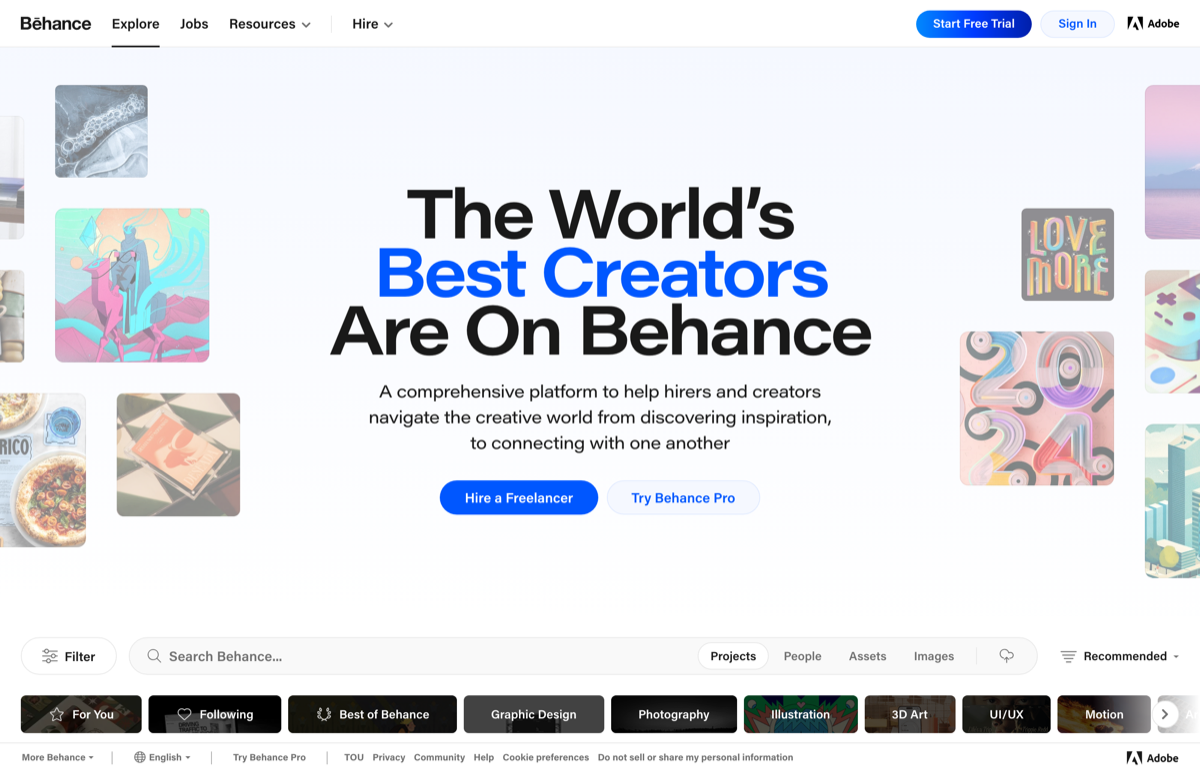
Host your portfolio where clients already look and where the link loads fast on mobile. Behance and Dribbble carry weight with design buyers, while a simple personal site gives you full control and a professional domain. Pick one main home and keep it current. Here’s how the common options compare.
| Platform | Best for | Cost |
|---|---|---|
| Behance | Full case studies, discovery by brands | Free |
| Dribbble | Single-shot visuals, design community reach | Free, paid Pro tier |
| Personal site (Carrd, WordPress) | Full control, custom domain, credibility | Free to low monthly cost |
| Local reach, fast sharing in Nigeria | Free | |
| PDF portfolio | Direct pitches and email outreach | Free |
Whatever you choose, get a clean link you can paste into a chat or email. A messy gallery of screenshots scattered across WhatsApp isn’t a portfolio a serious client will trust.
How do I present each project so clients say yes?
Present each project as a short before-and-after story, not a single image dump. Open with the brief, show your process in a line or two, then reveal the final work at full quality. This lets the client picture you handling their job the same careful way.
A few presentation rules:
- Use full-resolution exports, never blurry re-uploads.
- Show the work in context with a simple mockup, like a logo on a sign or a post on a phone screen.
- Write captions in plain language, not design jargon.
- Keep your colour and layout choices consistent across the page so the portfolio itself looks designed.
If logos are your focus, building a few quick concepts with the best online logo maker tool can help you fill gaps and show range while you grow your client work.
How do I turn a portfolio into paid work?
Turn your portfolio into income by attaching it to every conversation and pricing your work by value, not by guilt. The portfolio opens the door. Your pitch and your price close the deal. Never lower your rate just because someone says they can get it cheaper elsewhere. The client who values cheap rarely values your time.
To move from portfolio to payment:
- Add your portfolio link to your bio, signature, and every proposal.
- Match the pieces you send to the exact job the client described.
- State your price clearly and stand by it.
- Set up a way to collect international payments so foreign clients can pay you.
For that last step, our roundup of virtual foreign bank account providers covers how to receive money from clients abroad. Finding those clients is its own skill, so pair this with our guide on how to get graphic design clients online.
Frequently asked questions
Do I need a personal website to get design clients?
No, you can win clients with a free Behance or Dribbble profile. A personal site adds credibility and control, but a clean profile on a platform clients already trust works well when you’re starting out.
Can I use spec work in my portfolio?
Yes, spec work and personal projects are fine as long as you label them honestly. Clients understand that early designers build sample work to show skill, and a strong concept project often impresses more than a dull real one.
How often should I update my portfolio?
Update it every time you finish a project stronger than your current weakest piece. Swap the weak piece out so the overall set keeps rising in quality rather than just growing in size.
Should I show my prices in my portfolio?
No, keep pricing for the direct conversation with each client. Showing fixed prices can scare off clients with bigger budgets and lock you out of negotiating by value.
What if all my work was for one client or niche?
Show that depth as a strength and add one or two spec pieces in a different style to show range. A focused portfolio reads as specialist expertise, which many clients prefer over a generalist.
How do I get paid by clients outside Nigeria?
Use a virtual foreign account or a platform that supports international transfers. Our guide to virtual foreign bank account providers walks through the options for receiving money from clients abroad.
Your portfolio is the one asset that works for you while you sleep, so build it with care and keep it sharp. When you’re ready to hand the heavy lifting to a team, see what we offer on our services page.
Last Updated on June 4, 2026