

To get clients working remotely as a freelancer, you go where buyers already post work, send personalized pitches that solve a specific problem, and make it easy to say yes and pay you. The fastest first wins come from freelance marketplaces and warm referrals. Cold outreach and social media pay off over the following weeks. We’ve landed remote clients from Nigeria using these channels, so the steps below are what actually works, not theory.
This post walks through where remote clients are, how to pitch them, how to close the deal, and how to get paid across borders. If you still need the asset that makes pitching easier, build the portfolio first with our guide on tips to become a better graphics designer.
Where do freelancers find remote clients?
Remote clients gather in four predictable places: freelance marketplaces, social platforms, online communities, and your own network. Each channel trades speed against effort, so most freelancers run two or three at once instead of betting on one. Pick the channel that matches how fast you need your first paying client.
| Channel | Effort to start | Speed to first client | Best for |
|---|---|---|---|
| Freelance marketplaces (Upwork, Fiverr, Freelancer.com) | Low | Days to weeks | Your very first paid jobs and reviews |
| Referrals and your network | Low | Days | Higher-trust, higher-paying work |
| Social media (LinkedIn, X, Instagram) | Medium | Weeks | Inbound leads and authority |
| Cold outreach to businesses | High | Weeks to months | Steady, repeatable client pipeline |
How do you find clients on freelance platforms?
You find clients on freelance platforms by creating a focused profile, then applying to jobs that match one clear specialty. Upwork, Fiverr, Freelancer.com, and Toptal connect you with buyers worldwide who are already ready to pay. The trade-off is competition, so a narrow specialty beats a generalist profile every time.
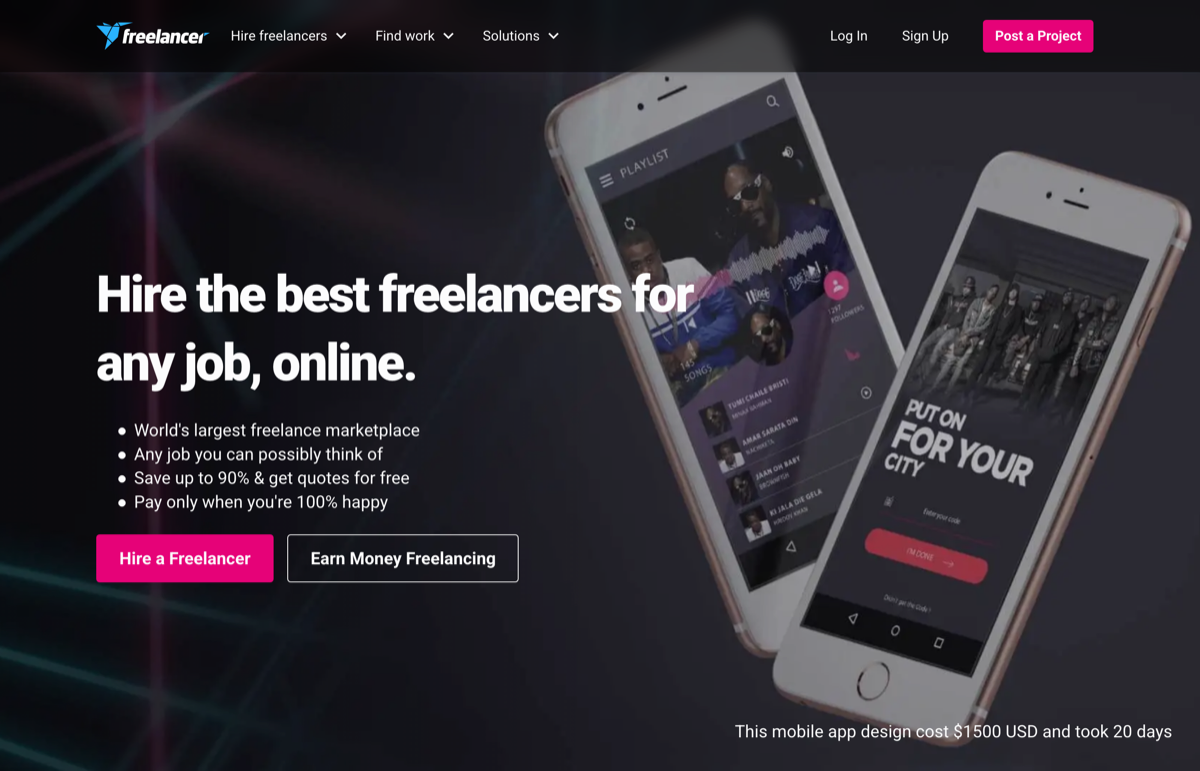
Follow these steps to start:
- Choose one platform and one service. A designer who only does logo and brand kits ranks better than a do-everything freelancer.
- Write a profile headline that names the outcome you deliver, not your job title.
- Apply to 5 to 10 fresh jobs a day with short, tailored proposals.
- Take one or two small jobs below your target rate to earn your first reviews, then raise prices.
Reviews are the currency here. Once you’ve got a handful of five-star ratings, clients start coming to you. For more skill ideas that sell well online, see our list of high-paying non-coding jobs to learn.
How do you pitch a client and stand out?
You stand out by leading with the client’s problem, not your résumé. A strong pitch is short, names something specific about their business, and proposes one concrete next step. Generic copy-paste messages get ignored because clients spot them instantly.
A simple pitch structure that works:
- Open with one line about their business or a problem you noticed.
- State what you do and the result you can deliver for them.
- Show one relevant proof point, like a past project or a quick idea.
- End with a single, easy yes: a short call or a small paid test.
Keep the whole message under 120 words. Clients reply to pitches that respect their time and ask for one clear decision.
Can social media bring in remote clients?
Yes, social media brings in remote clients when you post your work consistently and engage in the right communities. LinkedIn, X, Instagram, and even WhatsApp status updates put your services in front of people who already follow you. The goal is to be the freelancer they remember when a need comes up.
Share finished projects, short tips, and process. Post a few times a week rather than flooding feeds, which gets you muted. Comment on posts from businesses in your niche so they know your name before you pitch them. Communities like Reddit, Quora, and Nairaland have sections where buyers post jobs, so answer questions there and link to your work when it helps.
How do you close the deal and set your rate?
You close the deal by confirming the scope, the price, and the timeline in writing before any work starts. A short proposal or even a clear message protects both sides and signals that you’re a professional. Vague verbal agreements are where remote freelancers lose money.
Set your rate on the value of the outcome, not just hours. Offer two or three packages so the client picks a level instead of deciding yes or no. Ask for a 50 percent deposit upfront on new clients, with the balance on delivery. If a client pushes back hard on a fair deposit, treat it as a warning sign.
How do you get paid by clients abroad?
You get paid by international clients through marketplace escrow, PayPal, Wise, Payoneer, or a virtual foreign bank account. African freelancers often hit friction receiving USD, so set up a reliable method before you land the client, not after. The wrong setup can cost you a chunk of every invoice in fees.
Marketplaces like Upwork and Fiverr handle payments for you, which removes most early risk. For direct clients, a virtual account with US or UK bank details makes you look local to the buyer and cuts transfer costs. We cover the options in our guide to virtual foreign bank account providers so you can receive payments cleanly.
How do you keep clients and get referrals?
You keep clients by communicating clearly, hitting deadlines, and making the working relationship easy. Repeat clients and referrals are cheaper to win than new leads, so retention is where freelance income compounds. One happy client who refers two friends beats ten cold pitches.
Send a short update before the client has to ask. Deliver a little early when you can. After a project, ask directly: “Do you know anyone else who could use this?” Most people are glad to refer when the work was good. If you also write for clients, sharpen that skill with our tips to become a writer who gets paid, and explore websites that pay you to write as an extra income stream.
Need a partner to handle the branding and web work behind your freelance offer? Take a look at our services to see how we support remote creators.
Frequently asked questions
How long does it take to get your first remote client?
Most freelancers land a first paid client within two to six weeks of consistent outreach. Marketplaces and referrals tend to be fastest, while cold outreach and social media build over time.
Do I need a website to get freelance clients?
No, you can start with a marketplace profile or a social media portfolio. A dedicated website helps clients take you more seriously once you’ve got steady work, but it isn’t required for your first jobs.
Is cold outreach worth it for freelancers?
Yes, cold outreach is worth it when your messages are personalized and target the right businesses. It’s slower than marketplaces, but it builds a pipeline of higher-paying direct clients you fully control.
How do I avoid getting scammed by remote clients?
Use escrow or a deposit, keep payments on trusted platforms, and never deliver full final files before being paid. Be cautious with clients who refuse any upfront payment or rush you off-platform.
What should I charge as a new freelancer?
Start near the lower end of your market to earn reviews, then raise rates as your proof grows. Price on the outcome you deliver, and use packages so clients choose a tier instead of haggling.
Last Updated on June 4, 2026